
SBA Commercial Real Estate Loans
Commercial Real Estate
Buy, refinance, and expand with a low-cost SBA 7(a)
Purchase or refinance Commercial Real Estate with an SBA loan
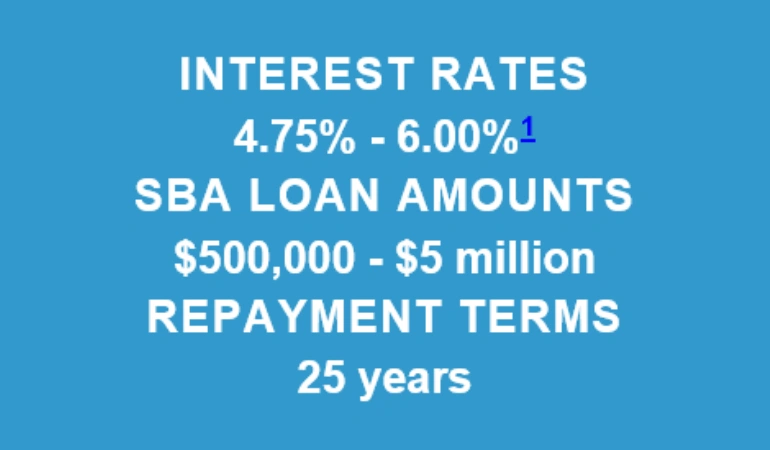
With fully-amortizing 25-year terms and variable interest rates ranging from 4.75% – 6.00%1, SBA 7(a) loans offered from banks in the Reachout Capital network are a great option for small businesses looking to refinance an existing commercial real estate mortgage, or buy an office building or other owner-occupied commercial space.
How it works
Pre-qualify for an SBA 7(a) Commercial Real Estate Loan
Pre-qualify in as little as 5 minutes without impacting your credit score. Simply provide basic information online and we’ll automatically tell you if you pre-qualify for an SBA commercial real estate loan from $500,000 to $5 million
Provide Financial Information
Tell us how you plan to use your funds and provide financial information about your business and its owners. Your Reachout Capital Funding Specialist is here to assist you at any point in the process.
Accept Your Letter of Intent
You will receive a non-binding letter of intent (LOI) from a bank in the Reachout Capital network outlining details of the SBA commercial real estate loan so you can negotiate terms with the property seller or your existing lender.
Conduct Property Valuation
During the SBA commercial real estate application process, the property you’re interested in will be valued. Your dedicated Reachout Capital Funding Specialist helps facilitate this step
Get Funded
Upload requested documents to complete your application. We’ll work with you through the loan closing process. Funds can be wired for closing in as fast as 30 days after credit approval.
Qualifications
YES
- At least 51% of the property’s square footage must be occupied by, and used by, your business
- 2+ years in business
- Business owners must be U.S. citizens or legal permanent residents
- Business owners must have personal credit scores above 640
- Cash flow to support loan payments
- The estimated purchase price must be greater than $500,000
NO
- Developers or landlords that are not actively occupying the property
- Investment properties (for example, the majority of the property will be leased or it is a real estate flip project)
- Bankruptcies or foreclosures in the last 3 years
- Prior default on government backed loans
- Outstanding tax liens
- Construction (for example, purchasing an empty lot and building a new structure)